Newsletter Subscribe
Enter your email address below and subscribe to our newsletter
Enter your email address below and subscribe to our newsletter

 ByJohn A
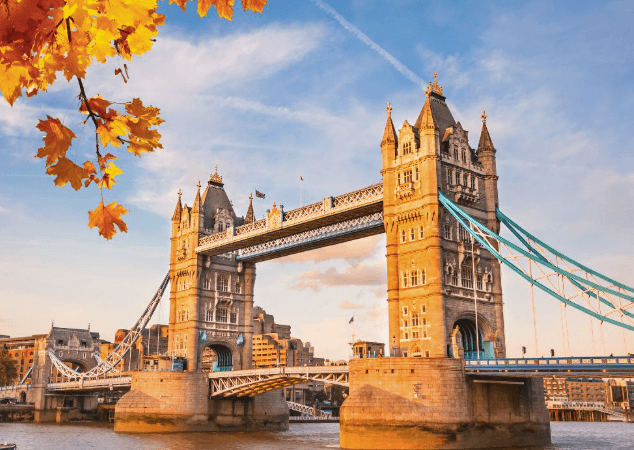
London, the vibrant capital of the United Kingdom, boasts a rich tapestry of history, culture, and diversity. Renowned for its iconic landmarks such as the Tower Bridge, the British Museum, and Buckingham Palace, the city artfully blends centuries-old traditions with contemporary flair. From the bustling streets of Soho to the serene gardens of Hyde Park, there’s an abundance of experiences waiting to be discovered. London is not only a hub for tourists but also a melting pot of cultures, reflected in its eclectic culinary scene, world-class museums, and lively arts community. Visitors can indulge in everything from traditional English fare to exquisite international cuisines, making London a true gastronomic destination.
For those planning to explore this magnificent city, reaching London has never been easier. Cathay Pacific provides flight services from Cairns To London, making it a breeze for travelers coming from various parts of the globe. This esteemed airline is known for its exceptional service and comfortable travel experience, ensuring passengers arrive in style and comfort. Once in London, the public transport system, including the iconic Underground, makes navigating the city simple and efficient. With direct access to an array of attractions, London offers a unique blend of experiences that cater to every type of visitor, from history buffs to art enthusiasts. Whether you’re visiting for a weekend getaway or an extended stay, London promises a captivating adventure filled with unforgettable memories.
Big Ben, the iconic symbol of London, is not only one of the most recognized landmarks in the world but also a remarkable feat of engineering and design. Officially known as the Great Bell of the Elizabeth Tower, Big Ben is situated at the north end of the Palace of Westminster. Completed in 1859, it has become synonymous with the city, drawing millions of tourists eager to witness its majestic presence. The tower itself stands at an impressive 316 feet tall, adorned with exquisite Gothic architecture that reflects the grandeur of the British Parliament.
The history of Big Ben is as fascinating as its architecture. Originally designed by Augustus Pugin, the tower and its clock were part of a significant rebuilding program after the Palace of Westminster was destroyed by fire in 1834. The first bell, weighing over 13 tons, cracked shortly after its installation, leading to the creation of a second bell, which finally rang in 1859. Despite its tumultuous beginnings, Big Ben has stood the test of time, becoming a beloved national emblem and a timekeeper for the citizens of London. The resonance of its chimes not only marks the hour but also serves as a poignant reminder of the city’s rich history.
Visitors to London often find themselves captivated by the sight of Big Ben, which has been beautifully illuminated at night, creating a magical atmosphere along the River Thames. The tower is particularly stunning during special events and celebrations, such as New Year’s Eve, when fireworks light up the sky and people gather to witness the clock strike midnight. The surrounding area is also brimming with activity, making it a perfect spot for leisurely strolls and photography.
In recent times, Big Ben has gone through significant restoration efforts, ensuring its preservation for future generations. The renovations have included repairs to the clock mechanism and the intricate stonework of the tower, which were necessary to maintain its structural integrity. As Big Ben stands resilient against the backdrop of a rapidly changing London, it continues to be a beacon of tradition and a symbol of hope, reminding all who visit of the timeless beauty and significance of this monumental clock.
See also: The Future of SaaS Industry
Tate Modern, situated on the banks of the River Thames in London, stands as a beacon of contemporary art and culture. Housed in a former power station, this iconic venue uniquely marries historical architecture with avant-garde artistic expression. Opened in 2000, it has quickly become one of the most visited art museums in the world, drawing millions of art enthusiasts each year. The vast and vibrant galleries showcase a diverse range of modern works, from the emotive pieces of Picasso to the innovative installations of contemporary artists, making it a must-visit destination for anyone seeking inspiration.
As visitors step inside, they are greeted by the stunning Turbine Hall, a remarkable space that frequently hosts large-scale installations and immersive artworks. This cavernous area has become a hallmark of Tate Modern, allowing artists to experiment and engage with the audience in unprecedented ways. Past installations, such as Olafur Eliasson’s “”The Weather Project””, captivated viewers and generated thoughtful dialogue about the intersection of art, nature, and human experience. The museum’s commitment to dynamic exhibitions ensures that there’s always something new to discover, sparking curiosity and conversation.
Beyond the exhibitions, Tate Modern places great emphasis on education and community engagement. The museum offers a variety of programs, workshops, and talks aimed at making art accessible to all, regardless of background. Young artists and families can explore creativity through interactive sessions, while insightful lectures by artists and curators deepen the understanding of contemporary art movements. This focus on inclusion enhances the cultural fabric of the city, inviting everyone to partake in the transformative power of art.
With its breathtaking views from the viewing platform and a remarkable café on the top floor, Tate Modern is more than just an art museum – it’s an experience. Whether you’re an art aficionado or a casual visitor, there’s something in this dynamic space for everyone. From thought-provoking exhibits to vibrant community programs, Tate Modern continues to inspire and challenge perceptions of art, making it an indispensable part of London’s cultural landscape.
Westminster Abbey, a masterpiece of Gothic architecture, stands as a testament to over a thousand years of British history. Located in the heart of London, the Abbey has been the site of numerous royal ceremonies, including coronations, weddings, and funerals. Its magnificent structure, characterized by stunning stained glass windows, intricate stone carvings, and soaring arches, reflects the artistry of the medieval period and continues to captivate millions of visitors each year.
One of the most significant aspects of Westminster Abbey is its role in royal history. The Abbey has been the coronation church since 1066, beginning with William the Conqueror. This tradition was solidified by the crowning of Queen Elizabeth II in 1953, making it a focal point for the British monarchy. Beyond coronations, major royal events, such as the wedding of Prince William and Catherine Middleton in 2011, have further solidified the Abbey’s status as a modern-day venue for royal celebrations.
In addition to its royal connections, Westminster Abbey is also the final resting place of some of the most distinguished figures in British history. It houses the graves and memorials of renowned individuals, including scientists like Isaac Newton and Charles Darwin, writers such as Geoffrey Chaucer and Charles Dickens, and many influential politicians. This blend of historical significance makes the Abbey a poignant reminder of the individuals who have shaped the nation.
Beyond its historical and architectural grandeur, Westminster Abbey is a UNESCO World Heritage site, attracting nearly a million visitors annually. Its rich tapestry of history, art, and culture, combined with the solemnity of its purpose, makes Westminster Abbey not just a church, but a vital symbol of British identity and continuity through the centuries.